
Luckily, there are B12 fortified foods available to vegans. These fortified foods include Quaker Puffed Rice Cereal, Yves Veggie Burgers, and Quaker Veggie Dogs. There are many other vegan foods you can choose from.
Vitamin B12 sources
There are many sources of vitamin B12 for vegetarians and vegans. Nutrition yeast is a common source of vitamin B12. It pairs well with many foods. It can be easily added to many different dishes, and it has a sweet, nutty flavor. You can sprinkle it on salads, mashed potatoes, and even in cheese sauces. It contains about 2.4 micrograms Vitamin B12 per serving.
Fortified milk is another source of vitamin B12 that vegans can consume. Fortified milk, which contains vitamin B12 from plant-based sources like soy and oat milks, can make it easier to obtain the recommended daily allowance. Fortified foods are better than unfortified options because they are more bioavailable. This means your body can digest them more easily.
Yves Veggie Burgers
Yves Veggie Burgers not only are vegan, but also contain less dairy. These meatless patties, which are made from soy protein as well as vegetable sources, are a healthy choice to vegetarians.
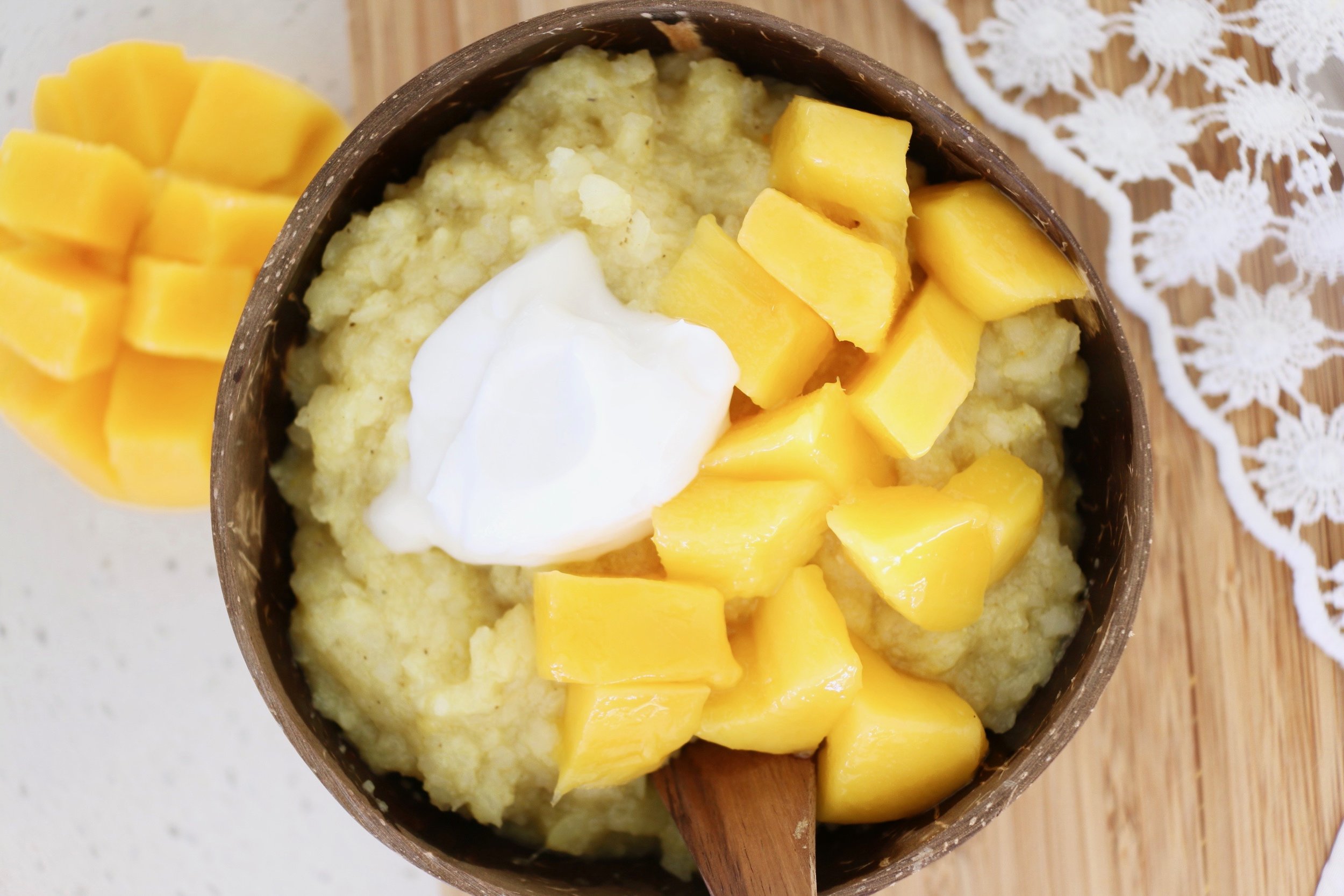
Yves Veggie Burgers contain b12, a mineral that many vegans lack. It is estimated that the average person needs about 3mcg of B12, and some people may need more. People with certain medical conditions or those who are older may require higher doses. Healthy eating habits are best. Vegan food has a low level of B12, so it's important to eat lots other foods in order to be healthy.
Yves Veggie Dogs
Yves Veggie Dogs are 10g of protein per portion, but they also have a long list fillers and other additives. These products can also be purchased at your local natural food market and supermarket. The Beet Meter offers information and ratings on vegan products.
Many different companies have added Vitamin B12 to vegan food products such as Silk and EdenSoy Extra. For example, Tofurky used to add B12 supplements to their Italian sausages. However, they have since discontinued this practice. Yves has a range of vegan products, as well as gluten-free.
Quaker Puffed Rice Cereal
Quaker Puffed Rice Cereal has a vitamin fortification that makes it suitable for vegetarians or vegans. You will also find it in Malt-O-Meal Bran Flakes, Rice Chex and other vegan-friendly cereals. These cereals contain 100% of the daily recommended intake of vitamin B12, which is vital for human health. You may find vitamin B12 in other brands of fortified vegan bread, but you should always verify with the manufacturer.
Vitamin B12 can be a vital nutritional nutrient. Vitamin B12 helps with the production of red cells and the functioning of the nervous. While it's commonly found in animal products, vegetarians may wonder how to get enough of the vitamin. There are many plant-based options for vitamin B12 such as Quaker Whole Grain Granola Granola, Quaker Puffed Rice Cereal, and Quaker Puffed Rice Cereal.

Quaker Veggie Burgers
Vitamin B12 (or Vitamin B12) is one of eight vital vitamins we require to keep our bodies healthy. It keeps our nerve cells, blood cells and DNA healthy. B12 deficiencies can cause serious health problems. But there are many ways to get your daily B12 intake.
Your B12 can also be obtained from meat. Meat is an excellent source of B12, and many products contain it. There are also many vegan-friendly fortified foods. Quaker Veggie Burgers have the needed vitamin.
FAQ
What should you eat?
Eat lots of fruits and vegetables. They provide vitamins and minerals to keep your immune systems strong. Vegetables and fruits are high in fiber which helps to digest and fill you up. At least five servings of fruits and vegetables should be consumed each day.
Get plenty of water. Water flushes toxins out of the body and helps to feel full between meals. Drink about eight glasses each day.
Whole grains are better than refined grains. Whole grains are rich in nutrients such as iron, zinc and magnesium. Refined grains have been stripped of some of their nutrition.
Avoid sugary beverages. Sugary drinks have empty calories and are a major contributor to obesity. Instead, opt for water, milk, or unsweetened tea.
Avoid fast food. Fast food is low in nutritional value. It may taste great but it won't give you the energy you need to function properly. Instead, stick to healthier options like soups and sandwiches, pasta, and salads.
Limit your alcohol intake. Alcohol contains empty calories and contributes to poor nutrition. Limit the number of alcoholic beverages you consume per week to no more that two.
Reduce red meat intake. Red meats are high in saturated fat and cholesterol. Instead, choose lean cuts of beef and pork, lamb, chicken or fish.
What can I do to lower my blood pressure?
It is important to first understand what high blood pressure is. Next, take steps that will reduce the risk. This could be as simple as eating less salt, losing weight (if necessary), or even taking medication.
Exercise is also important. You can also walk if you don’t have the time.
If you're not happy with how much exercise you're doing, then you should consider joining a gym. You will likely want to join an exercise group that shares your goals. It's easier to stick to an exercise routine when you know someone else is going to see you at the gym.
How to measure bodyfat?
The best way to measure body fat is with a Body Fat Analyzer. These devices can be used to measure body fat percentages in people who are trying to lose weight.
How can I get enough vitamins
You can obtain most of your daily requirement through diet alone. Supplements are an option if you are low in any vitamin. You can purchase a multivitamin that includes all the vitamins needed. Or you can buy individual vitamins from your local drugstore.
Talk to your doctor if you have concerns about getting enough nutrients. Dark green leafy vegetables like spinach, broccoli and kale, as well as turnip greens and mustard greens such as turnip and mustard greens and bok choy, are rich in vitamins K & E.
Ask your doctor to help you determine the right amount of vitamin. The doctor will determine the proper dosage based upon your medical history as well as your current health.
These are the 7 secrets to a healthy life.
-
Eat right
-
Exercise regularly
-
Sleep well
-
Get plenty of water.
-
Get enough sleep
-
Be happy
-
Smile often
Statistics
- In both adults and children, the intake of free sugars should be reduced to less than 10% of total energy intake. (who.int)
- WHO recommends consuming less than 5% of total energy intake for additional health benefits. (who.int)
- Extra virgin olive oil may benefit heart health, as people who consume it have a lower risk for dying from heart attacks and strokes according to some evidence (57Trusted Source (healthline.com)
- nutrients.[17]X Research sourceWhole grains to try include: 100% whole wheat pasta and bread, brown rice, whole grain oats, farro, millet, quinoa, and barley. (wikihow.com)
External Links
How To
What does "vitamin" actually mean?
Vitamins are organic compounds naturally found in food. Vitamins help us absorb nutrients in the foods we consume. Vitamins cannot come from the body so food must provide them.
Two types of vitamins exist: water soluble and oil soluble. Water-soluble vitamins dissolve quickly in water. These include vitamin C (thiamine), Vitamin B1 (riboflavin), Vitamin B2 (riboflavin), Vitamin B3 (niacin), Vitamin B6 (pyridoxine), Vitamin C, B1 (thiamine), Vitamin B2 (riboflavin), Vitamin B3 (niacin), and Vitamin B6 (pyridoxine). The liver and fat soluble vitamins are stored in fatty tissue. You can find vitamin D, E K, A and beta carotene as examples.
Vitamins can be classified by their biological activity. There are eight major types of vitamins.
-
A - vital for normal growth and maintaining good health.
-
C - important for proper nerve function and energy production.
-
D - Essential for healthy teeth and bones.
-
E - needed for good vision and reproduction.
-
K – Required for healthy muscles & nerves.
-
P - vital for building strong bones andteeth.
-
Q - Aids in digestion and absorption.
-
R - Required for red blood cell production
The recommended daily allowance for vitamins (RDA) varies according to age, gender, or physical condition. The U.S. Food and Drug Administration, (FDA), sets the RDA value.
For adults 19 years and over, the RDA vitamin A intake is 400mg/day. Pregnant mothers need 600 micrograms a day to ensure fetal growth. Children ages 1-8 require 900 micrograms per day. Babies under one-year old need 700 micrograms per daily. Between 9 and 12 month, however, this drops to 500 mg per day.
Children ages 1-18years who are obese need 800 micrograms per day while those who are overweight need 1000 micrograms per day and children who are underweight need 1200 micrograms per day to meet their nutritional needs.
Children ages 4-8 years who have been diagnosed with anemia need 2200 micrograms per day of vitamin C.
2000 micrograms is the minimum daily intake for general health in adults older than 50 years. Women who are pregnant or breastfeeding need 3000 micrograms per day due to increased nutrient requirements.
Adults over 70 years of age need 1500 micrograms per day since they lose about 10% of their muscle mass each decade.
Women who are pregnant or lactating need more than the RDA. Pregnant and breastfeeding women require 4000 micrograms each day during pregnancy and 2500 Micrograms each day after birth. Breastfeeding moms need 5000 micrograms per daily when breastmilk production occurs.